Unleashing Creativity: The Charm of Watercolor Dinosaur Clipart
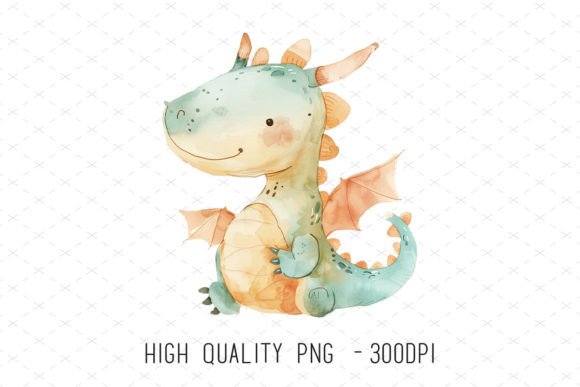
There is a specific kind of magic that happens when prehistoric subjects meet modern, soft artistic techniques. Cute Watercolor Dinosaur Clipart represents a distinct shift away from the hyper-realistic, often aggressive imagery traditionally associated with dinosaurs. Instead, we see a blend of whimsy and texture—soft washes of color, visible brushstrokes, and a palette that feels organic rather than synthetic. This style is not just about drawing a dinosaur; it is about capturing a personality. The visual characteristics of these assets rely on transparency and layering to mimic real pigment on paper, creating a look that feels handmade and authentic. In a digital landscape often dominated by flat vectors and rigid geometry, these watercolor elements introduce warmth and humanity. They bridge the gap between digital precision and analog charm, making them a powerful tool for anyone looking to add a touch of softness to their projects.
Why Texture Matters in Modern Branding
In the realm of visual communication, texture is a silent persuader. When you utilize Cute Watercolor Dinosaur Clipart within your brand identity or marketing collateral, you are sending a subconscious message about approachability and creativity. Unlike the hard edges of a standard sans serif font or the starkness of a minimalist logo design, watercolor elements suggest a story. They imply that thought, care, and a human touch were involved in the creation process. For small business owners and entrepreneurs, this is invaluable. It helps in building a brand perception that is friendly, nostalgic, and artistic.
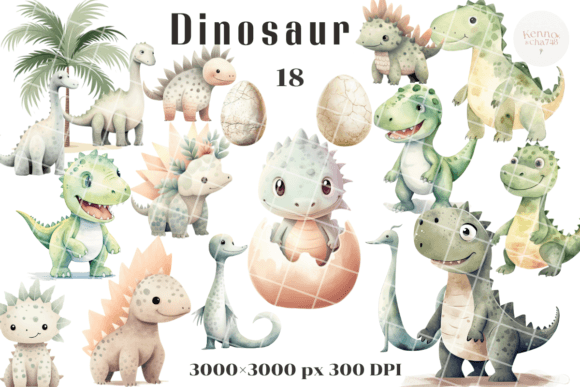
Consider the role of these assets in editorial design or packaging design. A children’s book cover or a boutique bakery box adorned with these illustrations immediately stands out on a shelf or in a digital feed. The "high-resolution" nature of these images—specifically the 3000x3000 px size at 300dpi—ensures that this texture remains crisp even when scaled up for large format printing. This eliminates the pixelation issues that often plague lower-quality design assets, ensuring that your professionalism is never compromised by technical limitations. Whether you are a blogger looking to enhance a header image or a designer creating social media graphics, the depth provided by watercolor elements creates a focal point that draws the eye without overwhelming the viewer.
Strategic Application: Beyond the Birthday Invite
While the description "Cute Watercolor Dinosaur Clipart for Kids Education & Birthday Parties" highlights a primary use case, the versatility of these assets extends much further into commercial and creative territories. As a creative professional, thinking outside the box is essential. Yes, these are perfect for invitations and party decor, but their utility in commercial font pairings and broader design systems is where they truly shine.
Integrating with Typography and Layout
One of the most common challenges in design is balancing imagery with text. These clipart pieces, often provided with transparent backgrounds, act as excellent companions to various typefaces. Because watercolor has an organic, irregular edge, it pairs beautifully with clean, geometric typefaces. Imagine a premier font with high legibility used for the main body copy, while a playful handwritten font or script font handles the headers. The dinosaur illustrations can serve as visual anchors or decorative swashes to separate content blocks.
When evaluating font pairing, consider the weight of the illustration. A heavy wash of color requires a bolder typeface to maintain visual hierarchy. Conversely, lighter, more airy dinosaur sketches work well with delicate serif fonts or thin sans-serifs. This balance is crucial for readability; you never want your audience struggling to decipher text because the background elements are too chaotic. The goal is modern typography harmony, where the image supports the message rather than competing with it.
Expanding into Product Design and Stationery
For those in the stationery market, the application is limitless. Scrapbooking, cardmaking, and handmade stationery are obvious fits, but think about jewelry design or decorated furniture. A decoupage project using high-res watercolor images can transform a plain wooden tray or a set of coasters into a curated art piece. The 300dpi resolution is critical here; it ensures that when you print these images onto transfer paper or vinyl, the ink dots are dense enough to create a solid, photographic-quality image.
For digital creators, these assets are gold for web design. They can be used as loading screen animations, background textures for headers, or icons for a kids' educational platform. Because they come in PNG format with transparent backgrounds, they can be layered over complex gradients or photographs without the unsightly white box that plagues JPEGs. This flexibility allows for seamless integration into existing brand identity systems, ensuring consistency across all platforms.
Practical Considerations for Implementation
Adopting new design assets requires a practical evaluation of how they fit into your workflow and licensing structure. When you acquire a set like Cute Watercolor Dinosaur Clipart, you are not just buying pictures; you are investing in a specific aesthetic language.
- File Management and Workflow: With 19 individual PNGs, organization is key. Rename the files upon download to reflect their content (e.g., "TRex_Watercolor_Blue.png") rather than keeping generic codes. This speeds up your workflow when you are in the middle of a design sprint. Since these are high-res (3000x3000 px), ensure your software—whether Adobe Photoshop, Illustrator, or Canva—can handle the file sizes without lagging.
- Evaluating Project Fit: Not every project requires a dinosaur. However, for themes of growth, playfulness, strength, or nostalgia, they are highly effective. Before committing to a design direction, place the clipart roughly into your layout. Does it distract from the call to action? Does it clash with your primary display font? Sometimes, scaling the image down or applying a slight transparency can help it recede into the background, allowing your typography to take center stage.
- Licensing and Commercial Use: Always review the licensing terms. Most digital assets intended for "DIY Projects" allow for small-scale commercial use, such as selling physical invitations or handmade jewelry. However, there are usually restrictions against reselling the digital files themselves as a product. Understanding these boundaries is essential for maintaining a professional, ethical business practice.
The Psychological Impact of Playful Imagery
Never underestimate the power of playfulness in professional settings. Using Cute Watercolor Dinosaur Clipart in a corporate newsletter or a tech startup’s internal communications can humanize the brand. It breaks the monotony of standard corporate imagery. In educational contexts, these images reduce cognitive load; the soft colors and friendly faces make learning materials feel less intimidating. This is where visual hierarchy and psychology intersect. By using these specific elements, you are curating an emotional response—warmth, curiosity, and engagement—which leads to better retention of the information you are presenting.
Ultimately, the value of these assets lies in their ability to tell a story. They are not merely decorations; they are narrative tools. Whether you are a publisher designing a cover for a children's novel, a marketer creating a campaign for a family-friendly product, or a hobbyist making a scrapbook for a loved one, these watercolor elements provide a foundation of quality and charm. They allow you to focus on the message, knowing that the visual presentation is handled with artistry and technical precision. By leveraging the high resolution and transparent versatility of this collection, you ensure that your final product—whether digital or print—looks polished, cohesive, and professionally crafted.